









CRYPTO PAYMENT GATEWAY DEVELOPMENT SERVICES
Crypto Payment Gateway Development Company Building Merchant Acceptance and Settlement Rails
A crypto payment gateway development company builds the infrastructure that lets merchants accept cryptocurrency and receive settlement reliably. Pixel Web Solutions delivers hosted checkout, ecommerce plugins and APIs, invoice and address generation, payment detection with confirmation handling, automatic conversion to stablecoin or fiat, merchant dashboards, and AML and fund screening, live in 10 to 16 weeks.
Bitcoin, Ethereum, Solana, Tron, and the stablecoins that carry most real payment volume. Crypto or fiat settlement, on your schedule.
Get your free gateway build plan
Tell us your merchant profile and settlement requirement. Within 48 hours you get an architecture outline, a module list, and a fixed-price estimate.
- Settlement and volatility model designed before build, since it decides merchant margin
- Source code, wallet infrastructure, and ownership handed to you at launch
- Every payment edge case handled in version one, not discovered in support tickets
78
Blockchain and Web3 projects delivered
6 weeks
Fastest gateway launch
17
Countries served
50
Blockchain networks and tokens supported
Accepting crypto is easy. Settling it reliably is the entire product.
Generating an address and watching for a transaction takes a weekend. What takes real engineering is everything that happens when reality intervenes: the customer underpays by a few cents, sends on the wrong network, pays after the rate lock expired, or sends funds a screening provider flags. Four problems separate a working gateway from a demo.
Volatility eating merchant margin
A merchant quoting in fiat and holding crypto absorbs every price move between checkout and settlement. We design rate lock windows, instant conversion, and stablecoin settlement so the merchant receives what they invoiced.
Edge cases nobody built for
Underpayments, overpayments, late payments, chain reorganisations, wrong-network sends, and stuck transactions are routine at volume. Each needs defined handling and merchant-visible resolution, or your support queue becomes the product.
Accepting funds you should not have
Receiving sanctioned or tainted crypto is a compliance event, not an accident. We build screening at the point of receipt, with hold and review workflows, rather than discovering the problem during an audit.
No route to a bank account
Most merchants want bank money, and crypto to fiat payout is where gateways stall. We scope your off-ramp early, including stablecoin settlement and peer-to-peer alternatives where traditional rails will not open.
Our Crypto Payment Gateway Development Services
Nine build tracks covering acceptance, settlement, and the compliance layer around both. Delivered by the same team behind our wider blockchain software development company capability.
A crypto payment gateway development company builds merchant checkout and plugins, invoice and address generation, blockchain payment detection and confirmation handling, exchange rate locking, automatic conversion and settlement, fiat payout rails, merchant dashboards and reconciliation, developer APIs and webhooks, and AML and transaction screening.
Crypto Payment Gateway Platform Development
The core acceptance engine: invoice creation, unique address derivation per payment, blockchain monitoring, confirmation thresholds per asset, expiry handling, and status webhooks. Everything a merchant integration depends on.
Merchant Checkout, Plugins and Point of Sale
Hosted checkout pages, payment buttons, and plugins for major ecommerce platforms, plus QR-based point of sale for physical retail and mobile-first flows.
Wallet and Settlement Infrastructure
Hot, warm and cold wallet architecture with HD derivation and automated sweeping, from our crypto wallet development company team. gas and fee management for consolidation, MPC or multi-signature signing, and withdrawal approval workflows.
Fiat Off-Ramp and Payout Engine
Crypto to fiat conversion, payout scheduling, bank and local rail integration, mass payouts, payout batching for fee efficiency, and reconciliation records merchants can hand to an accountant.
Multi-Chain and Stablecoin Support
Bitcoin including Lightning where relevant, Ethereum and Layer 2 networks, Solana, Tron, and BNB Chain, with stablecoin-first configuration since stablecoins carry most real payment volume.
Merchant Dashboard, Invoicing and Reconciliation
Transaction history, settlement statements, invoice management, refund handling, exportable reporting, multi-user roles, and reconciliation views that match on-chain movement to merchant-facing records.
Developer API, SDK and Webhook Layer
REST APIs with idempotency, signed webhooks with retry and replay protection, sandbox environments, SDKs in common languages, and documentation your merchants' developers can integrate against without support tickets.
Compliance, KYB, AML and Fund Screening
Merchant onboarding and know your business checks, sanctions and PEP screening, blockchain analytics on incoming funds with hold and review workflows, transaction monitoring, Travel Rule messaging, and reporting exports.
Post-Launch Support, New Chains and Maintenance
New asset and network rollouts, node and infrastructure maintenance, fee and confirmation policy tuning, compliance updates, plugin compatibility with platform releases, and feature work on a fixed monthly retainer.
Not sure how your merchants should settle?
Holding crypto, converting to stablecoin, and converting to fiat carry very different volatility, licence, and cost profiles. Send us your merchant mix and target markets. We will tell you which settlement model fits and what it costs to run.
Three ways to work with our crypto payment gateway development team
Pick the level of ownership and speed that matches your licence position and merchant pipeline.
White Label Gateway Launch
Duration
10 to 14 weeks
Our pre-built acceptance and settlement core configured with your brand, assets, settlement model, and payout rails. Minimal custom code, lowest technical risk.
Best for:
PSPs and platforms with merchants ready and a settlement partner in place.
Includes:
Core platform licence, branding, wallet setup, checkout and plugins, compliance integration, launch support.
White Label Plus Custom Modules
Duration
14 to 22 weeks
The gateway core plus modules built for you: a regional payout rail, a bespoke risk engine, subscription billing, a merchant lending layer, or a custom reconciliation format.
Best for:
Operators with a regional or vertical advantage that configuration cannot express.
Includes:
Everything in White Label Launch, plus custom module design, build, and integration testing.
Gateway as a Managed Service
Duration
Ongoing retainer
We build it, then run the technical side. Node and wallet infrastructure, monitoring, fee policy tuning, new asset rollouts, compliance updates, and a named technical lead on your calls.
Best for:
Payments businesses strong on merchant acquisition and light on blockchain engineering.
Includes:
Build plus a monthly managed retainer with an agreed SLA.
A proven crypto payment gateway development process, from settlement model to live merchants
Five stages. Every stage ends in a deliverable you own and can hand to an auditor, a regulator, or a banking partner.
Settlement Model and Compliance Scoping
We map your merchant profile, target markets, settlement requirement, and licence exposure, then define which assets and payout routes are available to you. Output: a settlement model recommendation and a compliance requirement list.
Architecture and Wallet Design
We define address derivation, confirmation policies per asset, sweeping and fee strategy, custody design, conversion routing, and payout scheduling. Output: a system architecture document, an infrastructure cost model, and a fixed-price scope.
Build, Branding and Integration
Your design system applied to checkout and dashboard, plus integration of node infrastructure, conversion and liquidity providers, KYB and screening, and payout rails. Output: a working gateway on testnet with a full payment lifecycle simulated.
Edge Case Testing, Security Audit and UAT
Adversarial testing of every payment edge case, reorganisation and stuck transaction handling, load testing, penetration testing, and merchant-facing user acceptance testing. Output: an audit report, an edge case matrix signed off, and a release candidate.
Launch, Merchant Onboarding and Handover
Production deployment, first merchant cohort onboarding, monitoring and alerting setup, support team training, and source code plus documentation handover. Output: a live gateway and a runbook your team can operate.
Get your settlement model reviewed before you build
A 45-minute technical and commercial review of your gateway plan. We pressure-test your settlement design, asset list, payout route, and compliance exposure, then tell you what it actually costs to build and to run. No obligation, no sales script.
- Which settlement model protects merchant margin in your market
- Where your payout rail will break, and what the alternatives are
- A realistic build timeline with licensing and banking dependencies mapped
Key Benefits of Choosing Our Crypto Payment Gateway Development Services
What payments businesses get from a team that treats settlement, not acceptance, as the hard problem.
Merchants receive what they invoiced
Rate lock windows, instant conversion, and stablecoin settlement remove volatility from the merchant's side, which is the single biggest reason merchants abandon crypto acceptance.
Edge cases handled in version one
Underpayments, overpayments, late payments, reorganisations, and wrong-network sends all have defined handling and merchant-visible resolution, so your support load stays proportional to volume.
Screening at the point of receipt
Incoming funds are screened before they are credited, with hold and review workflows, rather than surfacing as a compliance problem months later.
Stablecoin-first architecture
Stablecoins carry most real payment volume, so the platform is built around them rather than treating them as one more listed asset.
Fee efficiency built in
Payout batching, sweep scheduling, fee estimation, and network selection materially change your unit economics at volume, and they are architectural decisions rather than settings.
You own everything
Full source code, wallet infrastructure, merchant data, and keys transfer to you. No revenue share, no per-transaction cut, no vendor lock on your growth.
Who we build crypto payment gateways for
We adapt the same acceptance and settlement core to nine very different businesses.
| Industry | What we build |
|---|---|
| Payment service providers | crypto acceptance added to an existing merchant base. PSPs adding a trading product line work with our crypto exchange development services. |
| Ecommerce platforms and marketplaces | native crypto checkout for platform sellers |
| SaaS and subscription businesses | recurring crypto billing with retry handling |
| Gaming and iGaming operators | fast deposits and payouts where card rails decline |
| Travel and high-ticket retail | large-value payments with rate certainty |
| Freelance and creator platforms | cross-border mass payouts without banking friction |
| Remittance operators | stablecoin corridors with local fiat payout |
| B2B and wholesale | invoice settlement between businesses across borders |
| Merchants in underbanked markets | acceptance Where local bank rails will not open, our p2p crypto exchange development company is often the practical payout alternative. |
High-value gateway use cases we deliver
Ecommerce crypto checkout
Hosted checkout and platform plugins with fiat-denominated pricing and automatic conversion at settlement. Revenue model: processing fee per transaction plus conversion spread.
B2B invoice settlement
Cross-border business payments in stablecoins, settled faster and cheaper than correspondent banking. Revenue model: flat or tiered fees on higher-value, lower-volume flow.
Mass payouts and crypto payroll
Batched payouts to contractors, creators, or affiliates across many countries, with batching for fee efficiency. Institutions running both sides of the ledger work with our crypto banking software development team. Revenue model: per-payout fees plus conversion spread, at high volume.
Subscription and recurring billing
Scheduled billing with on-chain authorisations or stablecoin balances, retry logic, and dunning. Revenue model: recurring processing fees with strong merchant retention.
Point of sale crypto acceptance
QR-based in-person payments with instant conversion and same-day settlement for physical retail. Revenue model: processing fees plus hardware or terminal software licensing.
White label gateway for a PSP
Your brand, your merchants, our engine, operated under your existing licences and relationships. Revenue model: your full merchant margin, with no share taken by the technology vendor.
Networks, assets and infrastructure we build on
We build around the assets that carry real payment volume, not the longest possible listing page.
Blockchain networks:
Assets:
Acceptance surfaces:
Settlement models:
Custody:
Compliance and risk:
Tools and Technologies We Use
Backend and APIs
Frontend
Mobile and POS
Blockchain
Wallet and keys
Data
Queueing and jobs
Infrastructure
Ecommerce plugins
Security and monitoring
Crypto payment gateway development driving real operator outcomes
Fastest launch from kickoff to first live merchant
Networks and assets supported across deployments
Platform uptime across managed deployments
Figures reflect Pixel Web Solutions delivery data. Individual results depend on asset count, settlement model, and payout rail availability.
Crypto payment gateway vs card gateway vs direct wallet transfer
A crypto payment gateway accepts cryptocurrency on a merchant's behalf, confirms it on-chain, and settles in crypto, stablecoin, or fiat. A card gateway processes bank card payments and carries chargeback risk. A direct wallet transfer is the customer sending crypto manually, with no invoicing, confirmation logic, or reconciliation. Only a gateway gives merchants automated settlement and accounting records.
| Factor | Crypto payment gateway | Card payment gateway | Direct wallet transfer |
|---|---|---|---|
| Chargebacks | None, payments are final | Yes, a major merchant cost | None |
| Settlement time | Minutes to same day | Two to seven days typical | Immediate, but unreconciled |
| Cross-border | Native, no correspondent banking | Costly, FX and intermediary fees | Native |
| Merchant fees | Typically lower | Higher, plus interchange | None, but no service either |
| Volatility exposure | Removed by conversion settlement | None | Fully on the merchant |
| Reconciliation | Automated, invoice-matched | Automated | Manual |
| Refunds | Merchant-initiated, no forced reversal | Customer-initiated, forced | Manual |
| Compliance burden | On the gateway operator | On the acquirer | On the merchant |
The payment edge cases every gateway must handle
Address generation and payment detection are a weekend of work. These are the cases that consume the remaining build, and each needs a defined policy before development starts.
| Edge case | What happens | Required handling |
|---|---|---|
| Underpayment | Customer sends less than invoiced | Partial credit, top-up request, or auto-refund, with a configurable tolerance |
| Overpayment | Customer sends more than invoiced | Credit the excess, refund it, or hold, with merchant-level policy |
| Late payment | Funds arrive after the rate lock expired | Revalue at arrival, accept at old rate, or refund, with the choice made in advance |
| Wrong network | Correct token sent on an unsupported chain | Detection where possible, documented recovery path, and clear merchant messaging |
| Chain reorganisation | A confirmed payment is reversed on-chain | Confirmation thresholds per asset and value, and reversal handling in the ledger |
| Stuck or underpriced transaction | Payment pending indefinitely | Fee bumping where supported, and timeout policy |
| Expired invoice paid anyway | Funds arrive against a closed invoice | Match to the merchant, credit or refund, never silently absorb |
| Dust and spam deposits | Tiny or unsolicited transfers | Minimum thresholds and filtering to keep ledgers clean |
| Screened or tainted funds | Incoming funds flagged by analytics | Hold, review workflow, and a documented decision trail |
| Duplicate webhook delivery | Merchant systems credit twice | Idempotency keys and signed, replay-protected webhooks |
Every row above is agreed as policy during architecture and signed off during testing, so it never becomes a live support incident.
Gateways are judged on the exceptions, not the happy path. Our free review works through yours in 45 minutes.
Portfolio - Our Work in Action

Coinlocally, the thriving cryptocurrency hub incorporates Centralized, DEXs, and an NFT marketplace – all under one roof!
Read More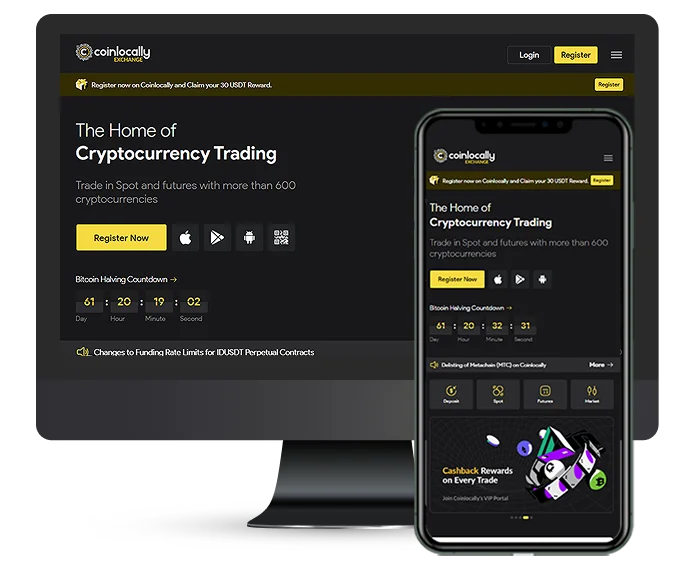

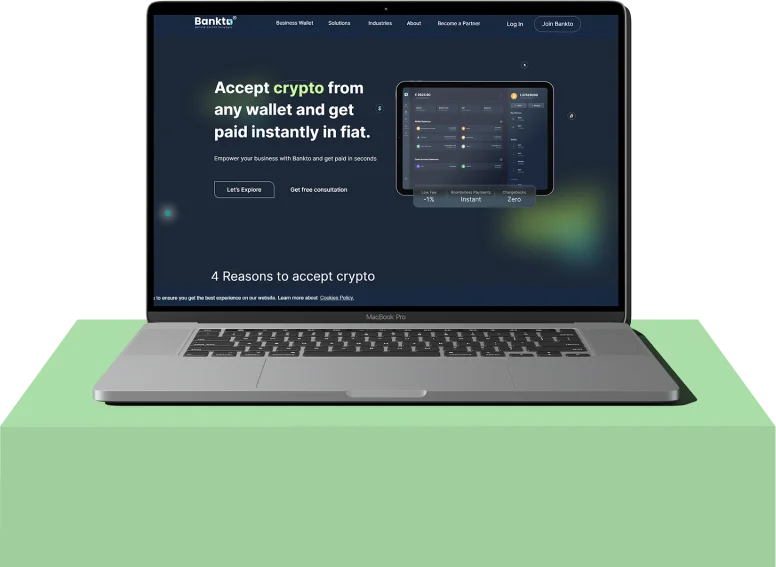
Bankto is a fascinating payment gateway platform where features are tailored brick-by-brick for efficient crypto transactions.
Read More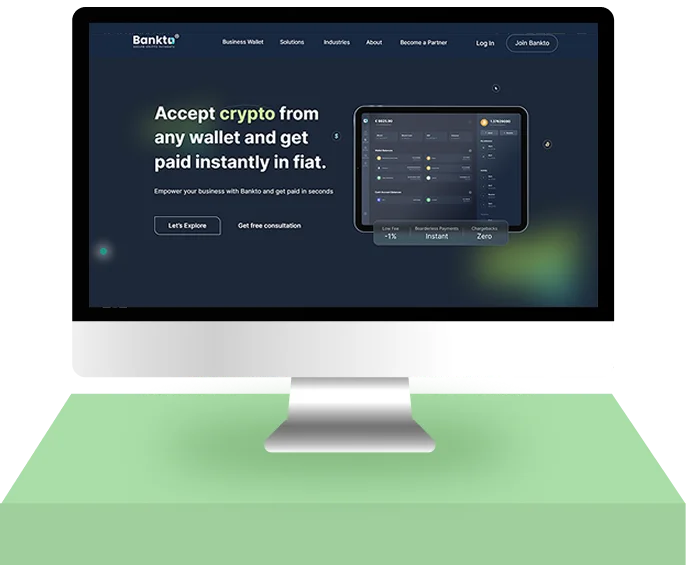

Manilla is a P2P-based exchange where innovative and trusted fintech services are guaranteed.
Read More

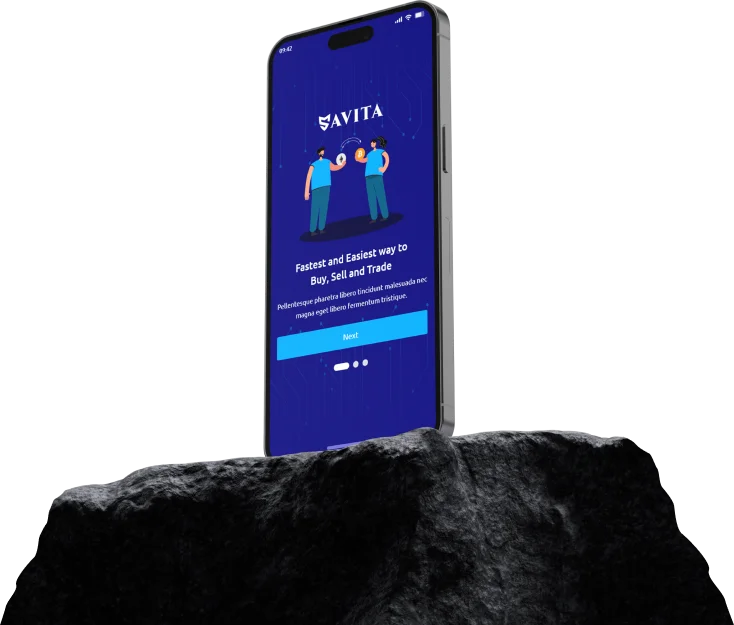
Savita is a global cryptocurrency exchange that emphasizes peer-to-peer order book trading. Being a customer-centric crypto exchange, Savita satisfies more than five thousand traders daily.
Read More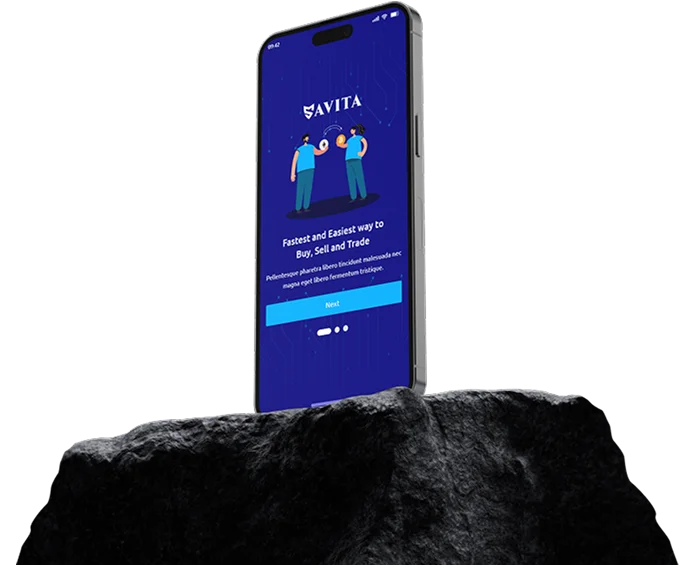

AltCoin Trader is a successful South African-based Centralized Crypto exchange platform that allows users to trade crypto to fiat or vice versa easily.
Read More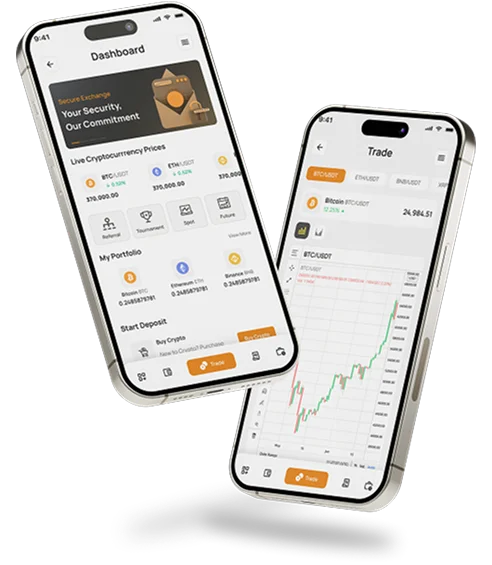

Fantasy Futbol is a next-gen fantasy sports platform where strategy meets skill in a fair and thrilling football experience.
Read More
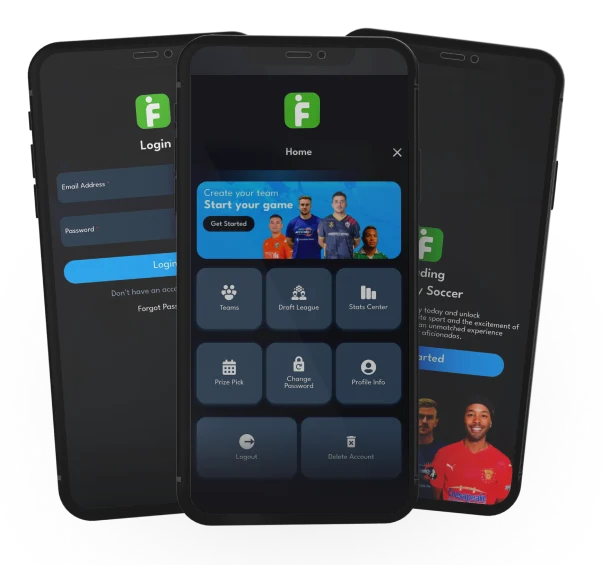

Fantasy Royal is an Indian-based P2P-powered Fantasy Cricket platform with secure, multi-level gameplay for thrilling and rewarding experiences.
Read More

Book your free crypto payment gateway consultation
Tell us who your merchants are and how they need to be paid. In 30 minutes, a payments architect will recommend a settlement model, map your asset and payout requirements, and outline a realistic first build.
- The settlement model that protects merchant margin in your market
- An honest view of feasibility, cost, running cost, and compliance exposure
- Clear next steps, whether or not you work with us
Frequently asked questions
Common questions about crypto payment gateway development, settlement, volatility, cost, and compliance.

Reviewed by :
Bal Ganesan
Blockchain Lead at Pixel Web Solutions, with 12 Yrs Experience
Last updated: August 2026
Freshness note: Payment regulations, banking availability, and stablecoin rules change frequently and vary by jurisdiction. Details on this page reflect our understanding at the time of writing and are not legal advice.
Ready to launch your crypto payment gateway?
Let's design a settlement model your merchants will actually accept, and build the rails behind it. Tell us your merchant profile and settlement requirement, or book a consultation with a payments architect.
Get in Touch